
Once the machine is installed, almost every newcomer has the same thought: produce as much as possible, as fast as possible, and get the investment back. It is an understandable wish. But the most common mistake we have seen in the field over the years comes from exactly here.
The customer who wants quick money runs the machine all day without a break. Not enough care goes into the mix, cleaning the mould gets skipped, and greasing is put off until tomorrow. For the first few weeks everything looks fine. Then the blocks start coming out badly, the machine breaks down, and the money they thought they were making goes on repairs, returns and lost customers. Trying to produce more, they end up losing money.
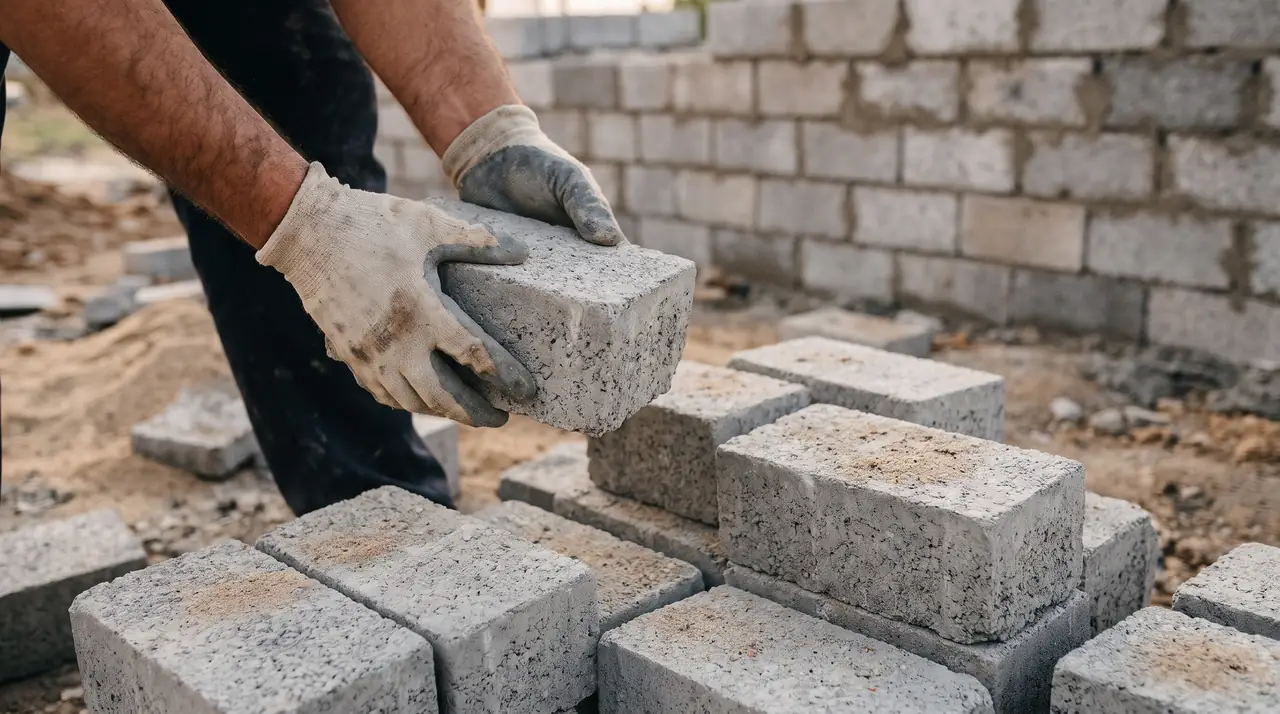
So what is a good block? Our test is simple: a block that does not break during shipping and on site is a good block. If its corners do not crumble and it does not crack in the middle while being loaded onto the truck, unloaded and laid in the wall, it does its job. Contractors know this too. Once you have sent broken blocks somewhere, it is very hard to sell there a second time.
Patience is also part of quality. A block is not sold on the day it comes out of the machine. After production it must be left to cure for at least three days. During that time it hardens and becomes strong enough to be transported. Blocks shipped too early are much more likely to break, and those broken blocks shape your reputation.
Maintenance is part of production, not a separate job. A few minutes of cleaning and greasing every day is far cheaper than a machine standing still for weeks.
In short, what makes money in this business is not speed but discipline. If your blocks are sound, customers will call you themselves. Producing more only pays off once producing well has become routine.